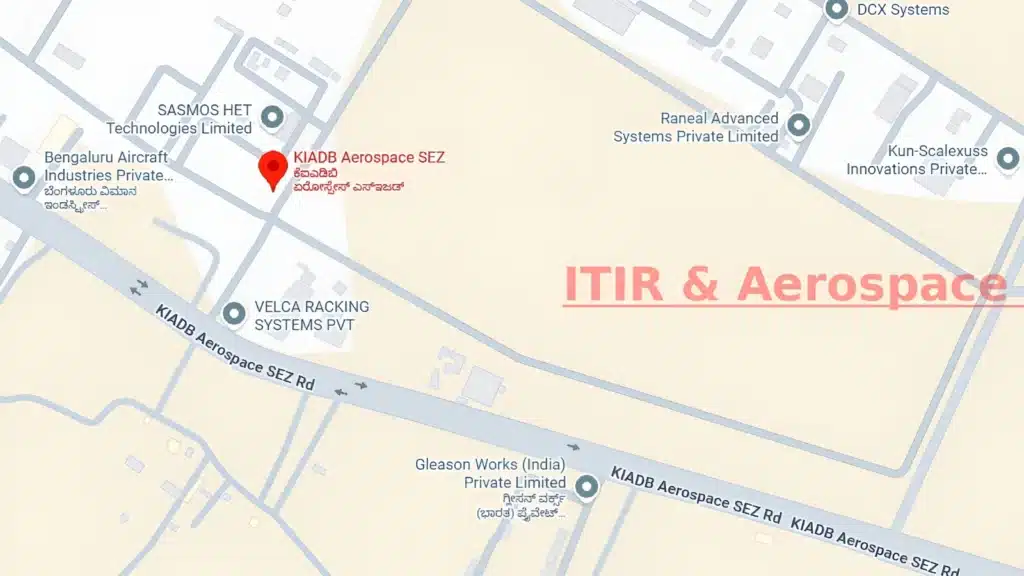
ITIR & Aerospace SEZ: How Devanahalli is Driving Demand in Thanisandra
Devanahalli, north of Bangalore near the international airport, has emerged as one of the most strategically important development zones in the city’s broader metropolitan area. The combination of Information Technology Investment Region (ITIR) planning, aerospace SEZs, and adjacent industrial development is creating a new northern employment node that is changing residential demand patterns across the entire North Bangalore corridor — including Thanisandra. Here is how the ripple effects play out for L&T Thanisandra buyers.
What’s happening at Devanahalli
Devanahalli sits adjacent to Kempegowda International Airport, approximately 15–20 km north of Thanisandra. The area has been earmarked for substantial development across multiple categories: aerospace and defence manufacturing, IT and ITES, hospitality, retail, and supporting industrial use. Several large-format projects are at various stages of development, including KIADB-allocated industrial parks, aerospace SEZs, and integrated business townships.
The ITIR concept
An Information Technology Investment Region (ITIR) is a planned IT and ITES employment zone that aggregates infrastructure, regulatory streamlining, and investment incentives. The Bangalore ITIR has been designated to span much of the northern Bangalore region, with Devanahalli as a primary hub. When fully developed, the ITIR is expected to host substantial IT-sector employment in addition to the existing concentrations at Manyata, Hebbal, and the Outer Ring Road belt.
Aerospace and defence growth
- Bangalore is India’s aerospace and defence hub — HAL, ISRO, BEL, and a deep ecosystem of suppliers and contractors are all headquartered or have major operations in the city.
- Devanahalli’s aerospace SEZ — purpose-built for aerospace manufacturing and supporting services, attracting both domestic and global firms.
- Defence corridor adjacency — Karnataka’s defence manufacturing strategy aligns with infrastructure at Devanahalli.
- Supporting employment — engineering, technical services, and ancillary employment scale with aerospace and defence growth.
How this affects Thanisandra
Devanahalli’s growth creates a new employment anchor approximately 15–20 km north of Thanisandra. For residents at L&T Thanisandra, this matters in three ways:
- Diversified employment catchment — beyond Manyata, Thanisandra residents have access to Devanahalli employment via NH 44. Reasonable commute distance for senior professionals or those with flexible schedules.
- Property value catalyst — Devanahalli’s growth strengthens the broader North Bangalore corridor’s value proposition. As the airport-anchored region develops, all corridors with reasonable airport access benefit.
- Infrastructure improvement — investment in road, metro, and civic infrastructure to serve Devanahalli benefits the broader corridor.
Devanahalli vs Thanisandra: living locations
While Devanahalli is becoming a major employment node, it has not yet developed comparable residential infrastructure to Thanisandra–Hebbal. Schools, hospitals, retail, and dining are at earlier stages of maturity. For senior professionals working at Devanahalli campuses, living in Thanisandra and commuting often makes more practical sense than living near the workplace — at least until Devanahalli’s residential catchment matures.
Commute from Thanisandra to Devanahalli
- Distance — approximately 15–20 km via NH 44.
- Off-peak — 25–35 minutes.
- Peak hour — 40–60 minutes (NH 44 traffic varies).
- Future Blue Line — when operational, will run through this corridor and could significantly improve commute time.
Long-term demographic implications
The combination of Manyata (Thanisandra-adjacent), Hebbal (corridor anchor), and Devanahalli (emerging) creates a multi-anchor employment ecosystem for North Bangalore. This is structurally different from corridors anchored to a single employment node. Multi-anchor corridors have been more resilient historically — if one anchor experiences slowdown, others typically continue providing demand. For L&T Thanisandra residents and investors, this resilience is a meaningful structural advantage.
What to track
- Aerospace SEZ tenant announcements — major company moves to Devanahalli are leading indicators of employment growth.
- ITIR project milestones — infrastructure and regulatory progress.
- Government infrastructure spending — road, metro, and civic spend on the Devanahalli corridor.
- Residential supply trends — when significant residential development emerges in Devanahalli, demand patterns may shift.
Verdict
Devanahalli’s emergence is a positive structural factor for North Bangalore real estate broadly, and for Thanisandra specifically. The new employment anchor diversifies the corridor’s demand base and strengthens its long-term outlook. While Devanahalli will eventually develop its own residential catchment, the maturity gap creates a multi-year window where Thanisandra benefits from Devanahalli employment without competing for residents.
For broader North Bangalore outlook, see North Bangalore Real Estate Forecast 2025–2030. For airport connectivity context, see Bangalore Airport Blue Line 2027. For project details, the Home page.